22 Brain Exercises to Keep Your Mind Active and Healthy as You Age
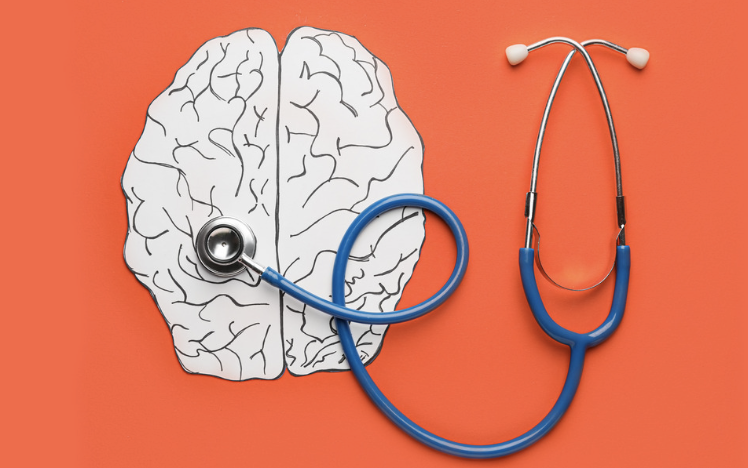
As we age, it is essential to maintain our brain’s health to keep our cognitive abilities sharp. Engaging in brain exercises can help improve memory, concentration, and overall mental well-being. In this blog post, we will explore 22 brain exercises that you can incorporate into your daily routine. From simple activities like meditation and jigsaw puzzles to more complex ones like learning a new language or musical instrument, there are plenty of options available for everyone. We will also discuss how to make these exercises a part of your daily life and adopt healthy habits that promote brain health. So, let’s dive in and discover the power of exercising our brains!
Introduction
As we age, it’s important to maintain an active and healthy mind. Engaging in brain exercises is crucial for cognitive function, memory retention, and overall well-being. With regular practice, these exercises can help reduce the risk of cognitive decline or dementia. Incorporating brain exercises into your daily routine can be as simple as playing a card game or learning a new skill. It’s never too late to start taking care of your mental health and incorporating these activities into your daily life.
Why is it important to exercise your brain as you age?
As we age, a decline in cognitive function is a common concern. However, regular brain exercises can help maintain mental agility and prevent age-related decline. Engaging in mentally stimulating activities like puzzles, reading, and learning new skills can improve memory, focus, and problem-solving abilities. In fact, studies have found that engaging in these types of activities can even reduce the risk of developing neurodegenerative diseases like Alzheimer’s. By prioritizing brain exercises, you can ensure that your mind stays sharp as you age and enjoy the many benefits of a healthy brain.
Brain Exercises at Home
Keeping your mind active doesn’t necessarily mean you have to step out of your house. There are plenty of brain exercises that can be done from the comfort of your home. For instance, crosswords and Sudoku are great for improving memory and cognitive function. Reading and learning new things can also help keep the brain active and healthy. Mindfulness meditation is another activity that can help reduce stress and improve focus, which ultimately benefits overall cognitive health. Finally, playing card games or board games with family or friends can be a fun way to stimulate the mind while bonding with loved ones. Incorporating these simple activities into your daily routine can go a long way in keeping your mind sharp as you age.
1. Meditation
As we age, our ability to focus and concentrate gradually declines. However, regular meditation practice can help improve our mental focus and concentration, leading to better brain health. Meditation involves training the mind to be more focused and calm by sitting quietly and focusing on our breath or a specific thought or object. Research has shown that regular meditation practice can increase gray matter in the brain, which is associated with improved cognitive function. Therefore, incorporating just a few minutes of daily meditation into our routine can have a significant impact on maintaining our mental sharpness as we age.
2. Jigsaw puzzles
Completing jigsaw puzzles is an excellent way to exercise your brain and improve cognitive skills, such as problem-solving and spatial awareness. As you work on a puzzle, you need to identify pieces that fit together based on shape and color, which can help improve memory recall and concentration. It’s also a relaxing activity that can reduce stress levels and provide a sense of accomplishment once the puzzle is complete.
Jigsaw puzzles come in various difficulty levels, making them suitable for all ages and skill levels. You can choose from simple puzzles with large pieces for beginners or more complex ones with hundreds or even thousands of small pieces for advanced puzzlers. Working on puzzles with others can be a fun bonding experience that provides an opportunity for social interaction while keeping your mind sharp.
3. Card games
Playing card games such as bridge or poker has been shown to be an excellent way to keep the brain engaged and active. These games require strategic thinking, decision-making, and memory recall, which can help maintain cognitive function as we age. Playing cards with others can also provide a social outlet and reduce stress, which is important for overall brain health. Learning new card games can challenge the brain and increase cognitive flexibility while improving hand-eye coordination and fine motor skills in older adults. Incorporating card games into your daily routine is a fun way to exercise your brain and keep your mind sharp.
4. Crossword puzzles
Crossword puzzles are a classic and enjoyable brain exercise that can be done easily at home, with a newspaper or puzzle book. Apart from being fun, these puzzles have been known to challenge vocabulary, cognitive function and problem-solving skills. Completing crossword puzzles regularly has been linked to a reduced risk of dementia in older adults. It also provides an opportunity to learn new words and expand knowledge. With different levels of difficulty available, crossword puzzles can be adapted to suit various skill levels as well. So, pick up a crossword puzzle today and give your brain an enjoyable workout!
5. Sudoku
Sudoku is a game that has grown in popularity over the years and is now considered as one of the most popular brain exercises. This number puzzle game requires logical and analytical thinking and challenges problem-solving abilities. By playing Sudoku on a regular basis, you can improve your memory, concentration, and cognitive function. Moreover, it is easily accessible and can be played online or in traditional paper form. With different levels of difficulty available, Sudoku is suitable for individuals of all skill levels. Incorporating this fun and engaging game into your daily routine can help keep your mind active and healthy as you age.
6. Memory games
Playing memory games is a great way to keep your mind active and healthy as you age. Memory games, such as Sudoku and crossword puzzles, can help improve cognitive function and memory. These games challenge the brain to recall information and strengthen neural pathways. By regularly playing these games, you can help prevent age-related memory decline.
There are a variety of memory games available online or in puzzle books for convenient at-home use. You can also play memory games with friends or family members for added social stimulation. Not only are these games fun and engaging, but they offer numerous benefits for your mental health. Challenge yourself by increasing the difficulty level of the puzzles or try new types of memory games to keep things interesting and challenging.
7. Board games
Playing board games is an excellent way to keep your mind sharp and active as you age. Games like chess, Scrabble, and Sudoku challenge your brain by requiring strategic thinking, problem-solving skills, and memory recall. Additionally, playing board games with others provides social interaction, which is crucial for overall brain health. Engaging in regular board game sessions can help improve cognitive function and prevent age-related memory decline. Incorporating these fun and challenging games into your daily routine is a simple but effective way to promote brain health and wellness.
8. Virtual brain training programs
Virtual brain training programs offer a convenient way to exercise your brain from the comfort of your own home and can be an effective tool in maintaining cognitive health as you age. These programs use games, puzzles, and other activities that are designed to challenge your cognitive abilities and improve overall brain function. The best part about these programs is that they provide personalized training plans based on your individual needs and goals. Popular virtual brain training programs such as Lumosity, Elevate, and CogniFit offer scientifically-backed exercises that have positive user reviews. Incorporating a virtual brain training program into your routine can be an excellent way to keep your mind active and engaged while also providing a fun and engaging activity.
Brain Exercises Outside the Home
Participating in activities outside of the home is a great way to keep your mind active and engaged. Joining a book club or attending literary events can challenge your brain and provide opportunities for social interaction. Learning a new language or taking up a musical instrument can also stimulate cognitive function and improve memory. Additionally, participating in community classes or workshops allows for continued learning and skill development while keeping your mind engaged. Physical activity like yoga or tai chi not only improves physical health but also provides mental stimulation. Engaging in volunteer work can provide a sense of purpose and make you feel connected to the world around you, which is essential for overall brain health. By incorporating these activities into your daily routine, you can keep your mind active and healthy as you age.
9. Physical activity and exercise
Maintaining an active lifestyle is crucial for overall health and well-being, especially as we age. Engaging in physical activity and exercise has been shown to improve brain function and cognitive abilities. Regular exercise can increase blood flow to the brain, promoting the growth of new neurons and reducing the risk of cognitive decline. Activities such as dancing, swimming, and yoga can also improve balance and coordination, which can help reduce the risk of falls in older adults. Incorporating physical activity into your daily routine can be as simple as taking a walk or doing household chores. However, it’s important to consult with your doctor before starting any new exercise routine to ensure that it’s safe for you.
10. Dancing
Dancing is more than just a fun activity- it’s also a great way to exercise your brain as you age. Regular dancing sessions can help improve memory, attention span, and overall cognitive function. The coordination, balance, and rhythm required for dancing all stimulate the brain and provide a mental workout. In addition to its cognitive benefits, dancing also provides social interaction, which can help prevent isolation and improve overall well-being. Whether you prefer ballroom or hip-hop, dancing regularly can be an enjoyable way to stay mentally sharp as you age.
11. Learning a new language
Learning a new language is an excellent way to keep your brain active and healthy as you age. It challenges your brain to learn new vocabulary, grammar rules, and sentence structures while promoting cultural awareness and improving communication skills. Learning a new language can also open doors for travel, work, and social interactions. There are many resources available today that make it easy to start learning a new language at any age, such as online courses, language exchange programs, and immersion experiences. So whether you’re interested in Spanish or Mandarin, taking the time to learn a new language is an enjoyable way to exercise your brain and enhance your cognitive function.
12. Learning a musical instrument
Learning a musical instrument is not only a rewarding hobby but also an excellent brain exercise. It can improve cognitive skills such as memory, attention, and processing speed. When playing an instrument, both sides of the brain are engaged, which helps to enhance overall brain function. Besides, reading sheet music and playing different melodies can stimulate creativity and promote relaxation.
Regular practice can lead to increased confidence and a sense of accomplishment, which can improve mental well-being. Several resources are available for learning an instrument, including online tutorials, classes, and private lessons. Whether it’s playing the guitar or the piano, learning an instrument is a fun way to challenge yourself and keep your mind active as you age.
13. Group classes
Signing up for group classes is a fantastic way to exercise the brain while enjoying social interaction. Group classes like yoga or dance can challenge the brain by requiring new movements and coordination, enhancing memory and cognitive function. Not only do these classes provide mental benefits, but they also offer physical exercise that is crucial for overall brain health. Regular attendance to group classes may also help establish a routine and promote consistency in your brain exercise regimen. So why not try out a new class and reap the benefits of exercising both your body and mind?
Brain Exercises to Incorporate into Daily Life
Incorporating brain exercises into your daily routine is essential for maintaining cognitive health as you age. Crossword puzzles and word games are perfect for improving vocabulary and memory, while Sudoku and other logic puzzles can enhance problem-solving skills. Reading books and articles can stimulate the brain and expand knowledge. Learning a new language or musical instrument is also an excellent way to challenge the brain in new ways. Additionally, engaging in physical exercise improves cognitive function and mental clarity. Taking a different route when traveling, using your non-dominant hand for tasks, practicing mindfulness in daily activities, reading actively and critically, and engaging in creative activities are all simple yet effective ways to incorporate brain exercises into your daily life. By making these exercises a part of your regular routine, you can keep your mind active and healthy as you age.
14. Take a different route when traveling
Taking a different route when traveling can be a simple yet effective way to keep your mind active. By challenging your brain to create new mental maps, you can improve your spatial awareness and enhance cognitive flexibility. This exercise also helps break up routines and prevent the brain from becoming too comfortable with familiar surroundings. For example, taking a different route to work or trying a new mode of transportation can provide new experiences and challenges for the brain. You could also explore new neighborhoods or cities to further challenge your brain’s spatial skills and keep your mind active.
15. Use your non-dominant hand for tasks
Incorporating the use of your non-dominant hand for tasks is a simple yet effective way to challenge and stimulate your brain. By doing so, you engage in activities that require concentration, coordination and patience, which can strengthen neural connections in the brain. Starting with small tasks like brushing your teeth or eating with your non-dominant hand can gradually lead to more complex tasks such as writing or using a computer mouse. This exercise not only improves fine motor skills but also helps improve overall brain function. It can be an enjoyable activity that easily fits into your daily routine to keep your mind active and healthy as you age.
16. Practice mindfulness in daily activities
Incorporating mindfulness into daily activities is a simple yet powerful way to keep your brain healthy as you age. By focusing on the present moment and being fully immersed in your surroundings, you can reduce stress and anxiety while improving cognitive function. Mindfulness techniques like deep breathing or body scans can be easily integrated into daily activities such as eating or walking, making it a convenient exercise to practice regularly. The benefits of mindfulness are numerous, and regular practice can lead to long-term improvements in brain health and overall well-being.
17. Read actively and critically
Active and critical reading is a powerful way to exercise the brain as you age. By engaging with the material, asking questions, making connections, and summarizing key points, you can improve cognitive function and memory retention. Critical reading involves analyzing the text, questioning assumptions, considering different perspectives, and evaluating the evidence. This process of actively engaging with reading material keeps your mind sharp by constantly challenging it to think critically. In addition to traditional books, consider reading articles or essays on a wide range of topics to further enhance your active and critical reading skills.
18. Engage in creative activities
Engaging in creative activities can be a fun and effective way to keep your brain active. Activities like painting or writing can stimulate the brain, improve cognitive function, and even promote relaxation. The benefits of engaging in creative activities go beyond just mental stimulation, as they can also provide a sense of fulfillment and reduce stress levels. Trying new hobbies or taking on creative challenges can help keep the brain active and prevent boredom. Even small creative tasks such as doodling or knitting can offer mental benefits, making it easy to incorporate these activities into your daily routine. So get creative, and watch your brain stay sharp as you age!
Brain-Healthy Habits to Adopt
Maintaining a healthy mind is just as important as maintaining a healthy body, especially as we age. Adopting brain-healthy habits can help preserve cognitive function and reduce the risk of cognitive decline. Regular physical exercise can improve blood flow and oxygenation to the brain, while getting enough sleep supports memory consolidation and toxin clearance. Challenging the brain with new activities like learning a language or playing chess, practicing mindfulness techniques, and consuming a healthy diet rich in antioxidants, omega-3 fatty acids, and vitamins that support brain health are all integral to maintaining good cognitive function. By making these habits a priority, you can help keep your mind active and sharp for years to come.
19. Proper sleep hygiene
Having good sleep hygiene is crucial for maintaining optimal brain health as you age. Studies have shown that getting enough quality sleep can improve cognitive performance, memory retention, and mood. Establishing a consistent sleep schedule and creating a relaxing bedtime routine can help improve sleep hygiene. Additionally, avoiding caffeine and electronic devices before bedtime can also promote better sleep habits. If you struggle with getting enough quality sleep, it may be beneficial to consult with a healthcare professional who can offer guidance on how to improve your sleep hygiene. Overall, prioritizing good sleep habits is an essential step in keeping your mind sharp and healthy as you age.
20. Healthy diet and nutrition
Maintaining a healthy diet and proper nutrition is essential for maintaining and improving brain function. A diet high in fruits, vegetables, whole grains, lean proteins, and healthy fats can provide the necessary nutrients to support cognitive performance. Omega-3 fatty acids found in fish and nuts have been shown to improve memory and cognitive abilities. Conversely, excessive consumption of processed foods, saturated fats, and sugars can have negative effects on brain health. Staying hydrated is also vital for brain function, as dehydration can impair cognitive abilities. Speak with a healthcare professional or registered dietitian for personalised recommendations on a brain-healthy diet plan.
21. Managing stress
Effective stress management techniques are crucial for maintaining good brain health and reducing the risk of cognitive decline. Stress can negatively impact our mental well-being, leading to memory loss, anxiety, and depression. Therefore, it is essential to find healthy ways to manage and reduce stress levels in our daily lives. Meditation, exercise, deep breathing, and journaling are all effective stress management techniques that you could try. Finding a technique that works for you and incorporating it into your daily routine can help improve your overall quality of life while promoting better mental health.
22. Active social life
Maintaining an active social life is not only enjoyable but can also be beneficial for your brain health as you age. Studies have shown that socializing can improve cognitive performance and reduce the risk of developing Alzheimer’s disease. By joining a club or group that interests you, you can provide opportunities for social interaction and intellectual stimulation. Volunteering or participating in community events can also be great ways to stay socially engaged and mentally sharp. It’s essential to make it a point to regularly connect with friends and family to maintain a strong support network, which helps keep your brain active and healthy.
Recap of the importance of brain exercises
Regular brain exercises are essential for maintaining cognitive function and overall brain health as we age. These exercises can include a variety of activities such as reading, puzzles, learning new skills, and physical exercise. By challenging our brains with these activities, we can improve memory and cognitive performance, as well as reduce the risk of cognitive decline.
It’s important to make these exercises a regular part of our daily routine to reap the benefits. Additionally, combining physical exercise with mental stimulation can have an even greater impact on brain health. By incorporating these exercises into our daily lives, we can help keep our minds sharp and healthy well into old age.
References
Incorporating brain exercises into your daily routine can have a significant impact on your cognitive function and overall brain health. Numerous studies have shown that engaging in activities such as puzzles, memory games, and learning new skills can improve memory retention and reduce the risk of developing neurodegenerative diseases like Alzheimer’s. Additionally, combining physical exercise with mental stimulation has been found to be particularly beneficial for brain health. Remember to incorporate a variety of activities into your routine, challenge yourself with new tasks, and make brain exercises a regular part of your day-to-day life to maintain optimal brain health.
Conclusion
Incorporating brain exercises into your daily routine is an excellent way to keep your mind active and healthy as you age. Not only does it improve memory and cognitive function, but it also helps reduce the risk of developing neurodegenerative diseases like Alzheimer’s and dementia. From meditation to physical activity, there are various brain exercises that you can do at home or outside. Additionally, adopting brain-healthy habits such as proper sleep hygiene, a healthy diet, and managing stress can also contribute to better brain health. Find out more about these 22 brain exercises by reading our comprehensive guide today.