The Importance of Proper Medication Management for Senior Caregivers
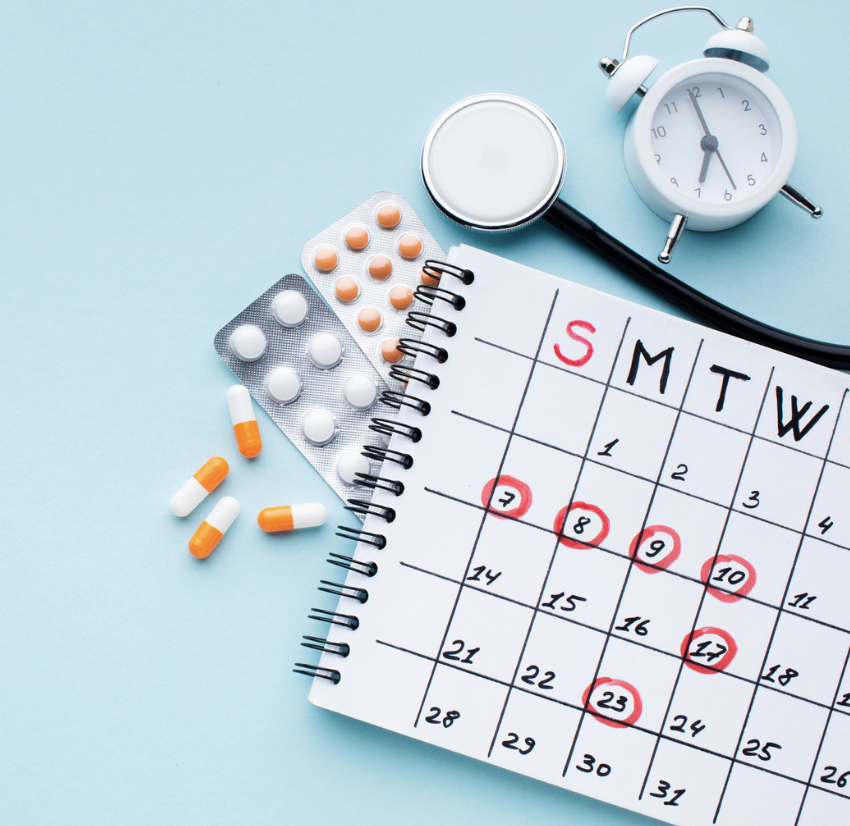
As a caregiver for a senior loved one, it is important to understand the importance of medication management. Proper medication management involves the safe and effective use of medications to help individuals achieve their health goals. It is critical for senior caregivers to ensure that their loved ones are taking their medications as prescribed, and to monitor for any side effects or adverse reactions. In this article, I will discuss what medication management is, why it is important, the risks of improper medication management, 5 rules for medicine safety in the home, medication management tips for senior caregivers, tools and resources for medication management, the role of healthcare professionals in medication management, common medication management mistakes to avoid, and the benefits of proper medication management for senior caregivers and their loved ones.
What is Medication Management and Why is it Important?
Medication management involves the safe and effective use of medications to help individuals achieve their health goals. This includes ensuring that medications are taken as prescribed, monitoring for any side effects or adverse reactions, and coordinating with healthcare professionals to ensure that medications are appropriate and effective. Proper medication management is critical for senior caregivers because seniors often have complex medication regimens and are at an increased risk for medication-related problems.
One of the primary reasons why medication management is important is to ensure medication safety. According to the Centers for Disease Control and Prevention (CDC), adverse drug events (ADEs) are a leading cause of emergency department visits and hospitalizations among adults aged 65 and older. Many of these ADEs are preventable and can be avoided with proper medication management. By ensuring that medications are taken as prescribed and monitoring for any side effects or adverse reactions, senior caregivers can help prevent medication-related problems and ensure the safety of their loved ones.
The Risks of Improper Medication Management
Improper medication management can lead to a number of risks and complications for seniors. One of the most common risks is medication non-adherence, which occurs when seniors do not take their medications as prescribed. This can lead to a number of negative outcomes, including worsening health conditions, hospitalizations, and even death.
Another risk associated with improper medication management is medication interactions. Seniors often have multiple health conditions and are taking multiple medications, which can increase the risk of drug interactions. These interactions can lead to adverse reactions, hospitalizations, and other negative outcomes.
Finally, improper medication management can lead to medication errors, such as taking the wrong medication or taking the wrong dose. These errors can have serious consequences and can even be life-threatening.
5 Rules for Medicine Safety in the Home
As a senior caregiver, it is important to follow these 5 rules for medicine safety in the home:
- Keep medications in their original containers: This will help ensure that medications are not mixed up or confused with other medications.
- Store medications in a cool, dry place: Heat and humidity can affect the potency and effectiveness of medications.
- Keep medications out of reach of children and pets: This will help prevent accidental ingestion.
- Dispose of medications properly: Unused medications should be disposed of properly to prevent accidental ingestion or misuse.
- Read medication labels carefully: Be sure to read and follow all medication labels and instructions to ensure that medications are taken as prescribed.
Medication Management Tips for Senior Caregivers
As a senior caregiver, there are several medication management tips that can help ensure medication safety and effectiveness:
- Keep a medication list: Keep a list of all medications, including the name, dosage, and frequency. This will help ensure that medications are not missed or duplicated.
- Use a pill organizer: A pill organizer can help ensure that medications are taken as prescribed and can help prevent medication errors.
- Set reminders: Use a reminder system, such as an alarm or calendar, to help ensure that medications are taken as prescribed.
- Monitor for side effects: Be aware of any potential side effects or adverse reactions and report them to a healthcare professional.
Tools and Resources for Medication Management
There are several tools and resources available to help with medication management, including:
- Medication management apps: There are several smartphone apps available that can help with medication management, including pill reminders, medication lists, and medication interactions.
- Pill organizers: Pill organizers can come in a variety of forms, including daily, weekly, and monthly organizers.
- Medication management services: There are several services available that can help with medication management, including medication delivery services and medication review services.
The Role of Healthcare Professionals in Medication Management
Healthcare professionals play a critical role in medication management. They can help ensure that medications are appropriate and effective, monitor for any side effects or adverse reactions, and make adjustments to medications as needed. It is important for senior caregivers to work closely with healthcare professionals to ensure that their loved ones are receiving the best possible care.
Common Medication Management Mistakes to Avoid
There are several common medication management mistakes that senior caregivers should avoid, including:
- Skipping medications: Skipping medications can lead to medication non-adherence and can have negative consequences.
- Mixing medications: Mixing medications can lead to drug interactions and can increase the risk of adverse reactions.
- Taking medications with food or drink: Some medications should be taken with food or drink, while others should be taken on an empty stomach. It is important to follow all medication instructions carefully.
Benefits of Proper Medication Management for Senior Caregivers and their Loved Ones
Proper medication management can have a number of benefits for senior caregivers and their loved ones, including:
- Improved health outcomes: Proper medication management can help improve health outcomes and prevent negative consequences.
- Reduced healthcare costs: By preventing medication-related problems, proper medication management can help reduce healthcare costs.
- Improved quality of life: Proper medication management can help seniors maintain their independence and improve their quality of life.
Conclusion and Final Thoughts
In conclusion, proper medication management is critical for senior caregivers. It involves the safe and effective use of medications to help individuals achieve their health goals. By following the 5 rules for medicine safety in the home, medication management tips for senior caregivers, and utilizing tools and resources for medication management, senior caregivers can help ensure the safety and effectiveness of their loved ones’ medications. By working closely with healthcare professionals and avoiding common medication management mistakes, senior caregivers can help improve health outcomes, reduce healthcare costs, and improve the quality of life for their loved ones.